
A commonly used two-word phrase can make you either despondent or hopeful, depending on how you use it. The two words are “what” and “if.” What if … ? And we speculate.
“I got caught up in ‘what-ifs,’” a friend recently moaned. Just a few days earlier she’d made a life-changing decision. She was heading toward an exciting new future until the “what-ifs” attacked. By the time I returned her phone call, she’d recovered, her initial decision intact. That was a close one.
Another friend, confronted with protracted legal issues, nervously asked, “What if I go bankrupt?” I’m confident that’s not going to happen, but the specter haunts him.
These days it can feel as if we’re well beyond any nightmarish what-if. Events in our nation and around the world are more appalling than we could ever have imagined. It’s hard to find hope when the meanness quotient increases on a daily basis.
Yet “what if” can lead to hope, when it’s aspirational. Not ridiculously so, such as “what if I win the lottery” or “what if I lose 20 pounds so I can wear that outfit again.” I’m talking about realistic aspirations, like “what if I take a break from the news (or Facebook, or whatever) one day a week, because it depresses/angers me so much” or, “what if I find a way to be kind to my neighbor/in-law/co-worker whose politics make me crazy.”
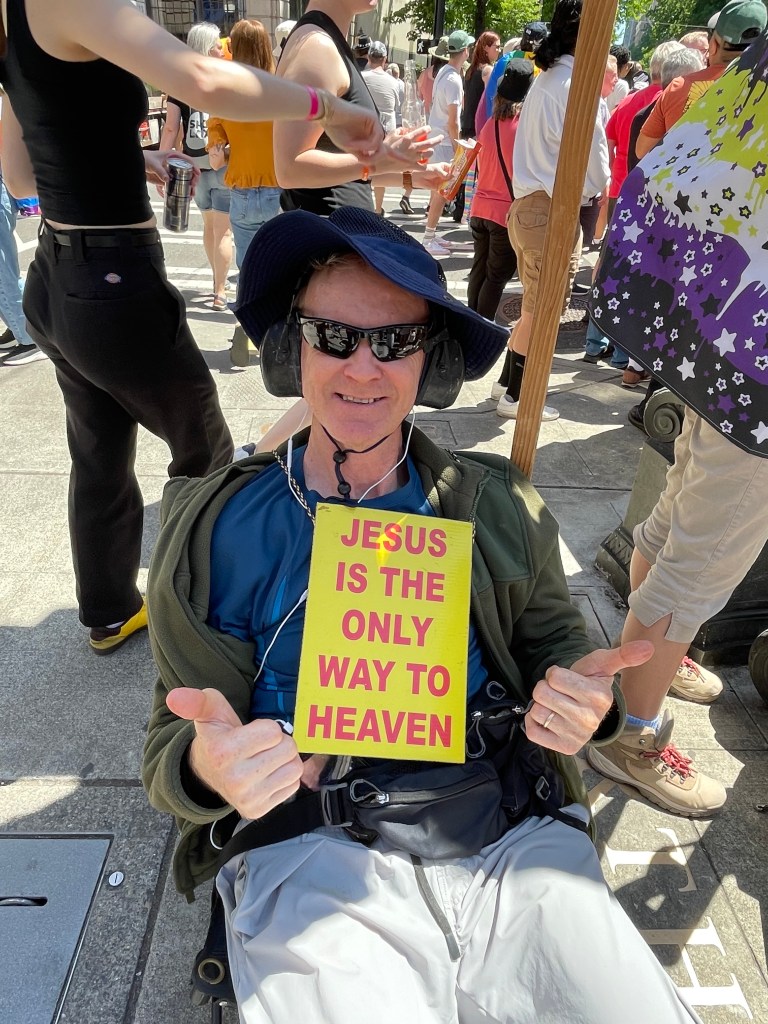
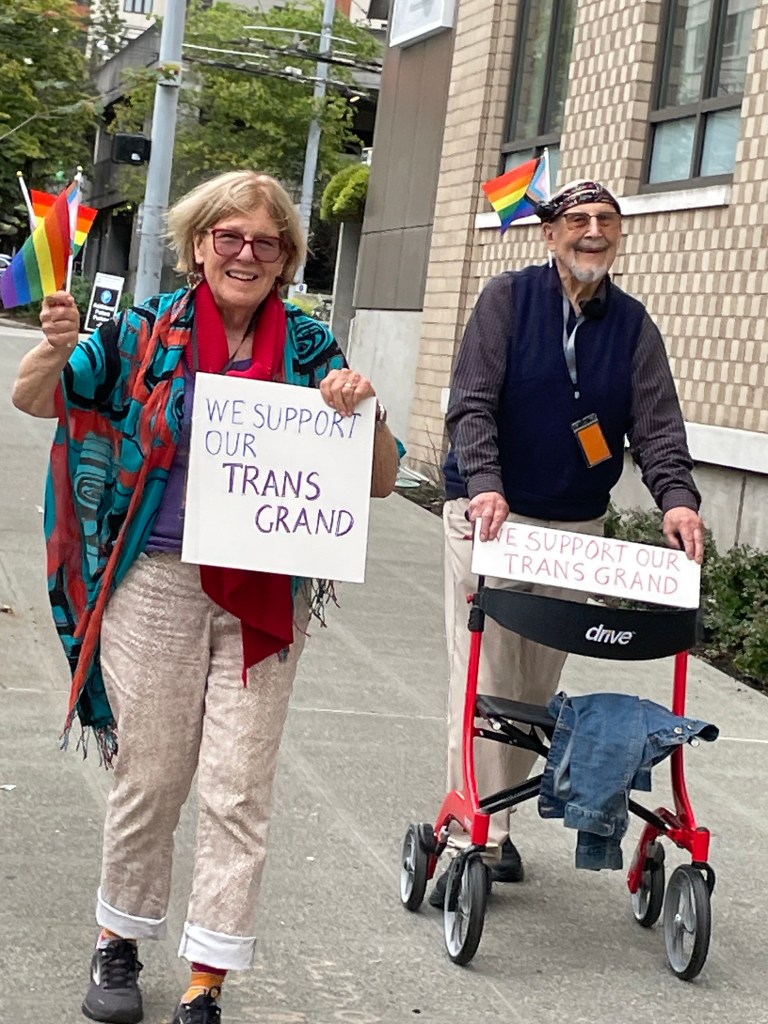
In fact, what if we all found a way to be kind to our neighbors, family members, strangers whose politics — or other choices — annoy us. We may think they have bricks for brains; all the more reason to be kind. What if instead of polarized, we were simply polite? What if our whole country abandoned our culture of consumerism? (I’ve never recovered from the counsel President Bush offered to the American people after 9/11: “Go shopping.”) What if instead of consumerism we opted for a culture of kindness?
While some dispute the science behind vaccines and climate change, I’ve heard no one question the abundance of science measuring the very real, positive effects of kindness. Several studies tell us that when we witness or participate in acts of kindness our brain produces oxytocin (the “love” hormone), serotonin (a “feel-good” chemical), and endorphins that naturally relieve discomfort, while cortisol (the stress hormone) decreases. Overall results are lowered blood pressure, healthier hearts, increased energy and extended life expectancy.
All that just by — for example — when in heavy traffic, allowing another vehicle to move into your lane instead of stubbornly hugging the bumper ahead of you!
We don’t have to rely on government policies, programs or grants to increase our level of kindness. Kindness doesn’t have to trickle down from above. It’s most powerful at the grassroots. You don’t have to be authorized, licensed, documented, diploma’d, or even rich, to be kind.
Moreover, scientists at the University of Wisconsin-Madison have established that compassion, aka kindness, can be taught! Rogers and Hammerstein figured out years ago that the opposite was true. The song “You’ve Got to be Carefully Taught” in their musical “South Pacific” insisted people aren’t born to be racist — or hateful. They learn it. Science has caught up with common sense. We can learn and teach kindness. Teach by example, in fact.
A pandemic can begin with just one obscure virus unleashed from one obscure place. What if kindness became viral? What if our world experienced a pandemic of kindness? What if it took only you and me to unleash the power of kindness, right here, right now?
 Every New Season
You must be logged in to post a comment.